Learning the Trees Changes How the Woods Look
A forest you cannot name is a green blur. A forest whose species you recognise becomes a set of distinct places, each with its own soil, light, wildlife and seasonal behaviour. Learning a dozen trees is a modest effort that permanently changes what a walk feels like.
Around the cove the mix is broadly eastern hardwood, and a handful of species account for most of what you will see.
Start With Bark and Shape
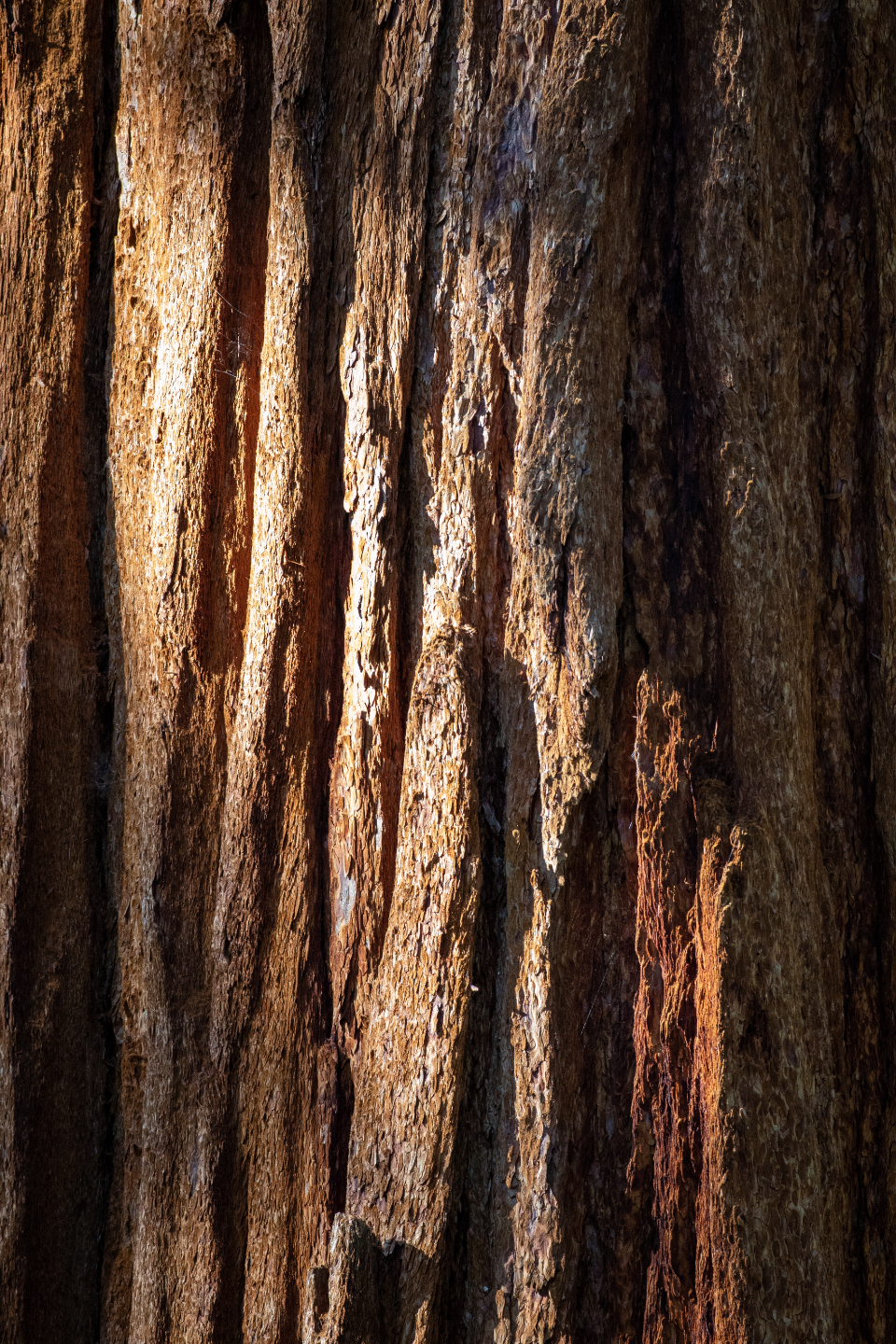
Leaves are the obvious identifier and they are absent for half the year. Bark and overall form work in every season and are quicker once learned.
- Hickory — the cove’s namesake — has shaggy, peeling strips on mature trunks that are unmistakable once seen. Tall and straight, with compound leaves and hard nuts that wildlife takes quickly.
- Oak has deeply furrowed, blocky bark and a broad spreading crown when grown in the open. The acorn crop varies enormously year to year, which drives a good deal of animal behaviour.
- Maple shows smooth grey bark when young, becoming shaggier with age, with opposite branching that distinguishes it from almost everything else.
- Birch is immediately recognisable by pale peeling bark, and favours disturbed ground and clearings.
- Pine holds needles in bundles, and the number per bundle separates the species reliably.
Reading the Woods as a System
Which trees grow where is not random, and once you notice the pattern you can predict what you will find before you get there.
North-facing slopes hold moisture and shade, favouring maple and beech. South-facing slopes are drier and hotter, favouring oak and hickory. Valley bottoms and stream sides support sycamore and willow. Ridgelines, thin-soiled and exposed, hold stunted oak and pine.
Age tells a story too. Even-aged stands of similar size usually mean the ground was cleared at some point — farmed, logged or burnt — and regrew together. Scattered large trees among younger ones suggest selective cutting. A few enormous specimens with wide low branches indicate trees that grew in the open before the woods returned around them.
The Trees That Are Missing
Part of reading these woods is noticing absence. The American chestnut once dominated eastern forests and was effectively eliminated by blight within a few decades. Its stumps still send up shoots that die back before maturity, and they are worth looking for.
Ash is in decline from the emerald ash borer, and hemlock from the woolly adelgid. Standing dead trees from these losses are a sad sight and, ecologically, among the most valuable habitat in the forest.
What Each Tree Supports
- Oaks support more insect species than almost any other tree, which makes them the foundation of the local food web.
- Hickory nuts and acorns feed squirrels, deer, turkey and bear, and a good mast year is visible in the following year’s animal numbers.
- Dead standing timber houses woodpeckers, owls, bats and a vast number of invertebrates.
- Fallen logs hold moisture, shelter salamanders and slowly rebuild the soil.
A Practical Way to Learn
Pick one species per visit rather than attempting the whole forest. Find it, look at bark and leaf and form, and then spend the rest of the walk noticing where else it appears and where it does not.
A small field guide beats a phone app in the woods, mostly because it works without signal and forces you to look at the tree rather than the screen. Collect a leaf, press it, note the date and place.
After a few visits the blur resolves. You start to see that the walk from the cabin to the ridge passes through four distinct forests, and that each of them arrived there for a reason.
The Woods Through the Year
The same walk changes completely with the season, and each has something the others do not.
- Spring belongs to the forest floor. Ephemeral wildflowers complete their entire cycle in the few weeks before the canopy closes and shuts out the light.
- Summer is dense, green and structurally uniform, which makes it the hardest season for tree identification and the best for insects and birdsong.
- Autumn is the obvious highlight, and colour arrives species by species rather than all at once — useful for identification if you are paying attention.
- Winter is the underrated season. Without leaves you can see the shape of the land, the structure of each tree, old stone walls, and nests that were invisible in July.
Beyond the Trees
Once the canopy species become familiar, the layers beneath start to resolve. The understorey — dogwood, redbud, witch hazel — tells you about light and soil. The shrub layer indicates grazing pressure and disturbance. The ground flora is the most sensitive indicator of all, and certain species only appear in woodland that has been continuously wooded for centuries.
Fungi deserve their own attention, particularly in autumn. Most of the forest’s activity happens underground, in networks connecting tree roots across the whole slope. The mushrooms are simply the visible part of something far larger, and noticing which species appear beneath which trees is one of the more satisfying things to learn here.