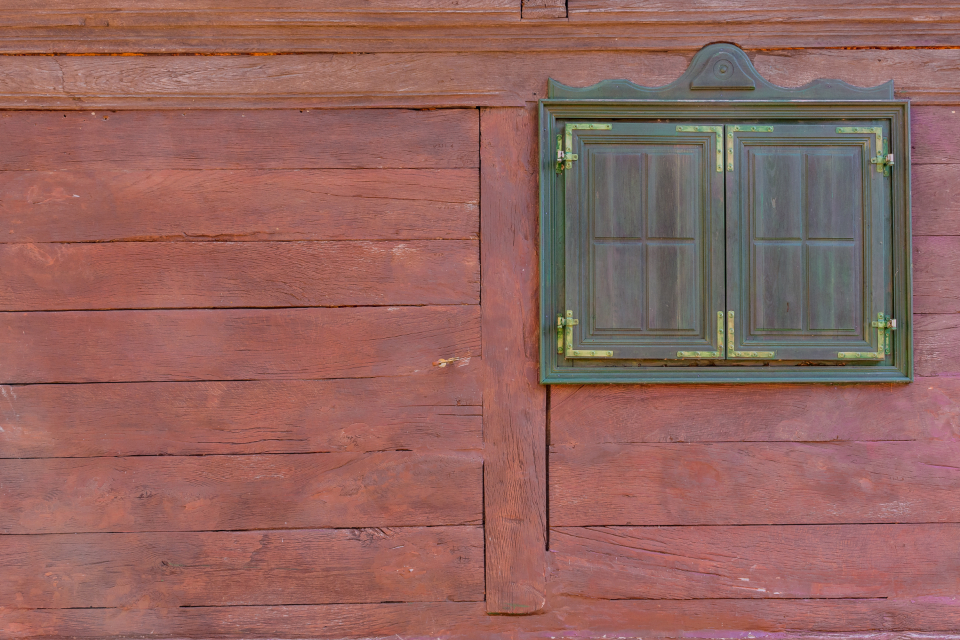
A Cabin Is a Building in Constant Negotiation With Weather
Timber buildings in a wooded, humid, freezing-and-thawing environment need attention. Not constant attention, and not expensive attention, but regular attention at the right times of year. The difference between a cabin that lasts a century and one that needs major work after fifteen years is almost entirely a matter of small tasks done in season.
Most of it comes down to keeping water out and keeping air moving.
Spring: Assess the Damage
Winter is hard on buildings, and spring is when you find out how hard.
- Walk the roof line from the ground with binoculars. Look for lifted shingles, damaged flashing and anything that has shifted.
- Clear gutters and check falls. Blocked gutters send water down the walls, which is the most common cause of serious timber damage.
- Inspect the foundation and lowest logs for splash-back staining, soft wood and insect activity.
- Check for carpenter bees and termites, both of which announce themselves in spring.
- Reopen vents closed for winter, and check crawl space humidity.
Summer: Do the Work
Dry, warm conditions are when exterior work is possible, and summer is short enough that it pays to plan.
Staining and sealing exposed timber is the central task, and the south and west elevations weather fastest — they may need attention twice as often as the sheltered sides. Wash the exterior before sealing, allow it to dry properly, and do not seal over damp wood.
Summer is also the time for the jobs that require settled weather: replacing damaged boards, repointing stonework, servicing the stove and having the flue swept before anyone needs it.
Autumn: Prepare
Autumn work determines how the building copes with winter, and it is the season people most often rush.
- Clear gutters again after leaf fall. Once is not enough in wooded surroundings.
- Cut back vegetation touching the building. Anything in contact holds moisture against timber and offers a route for insects.
- Drain and protect exterior plumbing before the first hard freeze.
- Seal gaps around pipes, vents and eaves. Mice need very little space and will find it in October.
- Stack firewood away from the building, not against it. Wood piled against a wall is an invitation to both damp and insects.
Winter: Watch and Wait
Little construction is possible, but observation is valuable and costs nothing.
Watch how snow sits and melts on the roof. Uneven melting indicates heat escaping, which points at insulation gaps. Ice dams at the eaves mean warm air is reaching the roof deck and refreezing at the cold edge — a problem worth solving properly rather than chipping at each year.
Inside, check for condensation on windows and in corners, which indicates ventilation that is inadequate for how the space is being used. And keep an eye on the crawl space, where a burst pipe can run for days before anyone notices.
The Small Habits That Matter Most
- Keep soil and mulch well below the lowest timber. Ground contact is the most reliable way to rot a building.
- Maintain the drainage away from the foundation. Water that pools will eventually get in.
- Run the ventilation even when the cabin is empty; still, damp air does more damage than cold.
- Deal with small leaks immediately. Every serious timber failure began as something minor that waited.
Keeping Records
A simple log — what was done, when, and with what product — is worth more than it sounds. It tells you when the south wall was last sealed, whether that patch of staining is new or has been there three years, and what to tell a contractor.
Photographs from the same positions each spring make slow changes visible that are invisible year to year. It takes ten minutes and it is the difference between managing a building and reacting to it.
What to Check on Every Arrival
A ten-minute walk-round on arrival catches most problems while they are still small, and it is worth doing whether the cabin has been empty a week or a season.
- Walk the perimeter looking for new staining on walls, blocked drainage and anything that has fallen against the building.
- Check under sinks and around the water heater for slow leaks, which are silent and expensive.
- Test the smoke and carbon monoxide alarms before lighting anything.
- Look for droppings and gnaw marks in cupboards and the crawl space; rodent entry is easier to fix at the first sign.
- Smell the air. A musty note means moisture somewhere, and it is worth finding before it becomes visible.
Knowing What to Leave Alone
Enthusiastic maintenance can do as much damage as neglect. Sealing timber that has not dried traps moisture inside it. Pressure-washing log walls drives water into joints and raises the grain. Filling every gap in a building that relies on ventilation creates condensation problems where none existed.
The general principle is that a cabin needs to breathe and needs to shed water. Work that supports those two things is almost always right; work that interferes with either is almost always wrong, however tidy it looks when finished.
When in doubt, the cheapest option is usually to wait one season and watch what the building does. Timber structures move, crack and settle constantly, and a good deal of what looks alarming in April has closed up again by August.