There is no single best month for the Smokies, because the answer depends on what you want from the trip. Late fall, and mid to late October in particular, suits color and hiking, while winter suits quiet and long views, and summer suits warm days and cool water.
Is winter the right season if you want quiet?
If solitude is your priority, the cold months are the strongest choice. The national park is noticeably less crowded in winter, and popular trails and viewpoints can feel close to empty. Bare trees also open up long views that leaves hide for the rest of the year.
Snow is not the main concern in most winters, except at the highest elevations. Ice is the bigger factor, both on trails and on roads. Waterfalls and creeks can freeze, which gives the park a look you will not see in other seasons.
Temperatures in the gateway towns are cold but not extreme. Typical highs in December, January and February sit around the low to mid 50s Fahrenheit, with some days climbing into the 60s.
- Check the National Park Service website for road closure alerts before you drive up.
- Pack for ice on walking surfaces, not just for cold air.
- Expect lower cabin rates and easier booking in the off-season months.
For a cabin stay, this is also the time when the property itself matters most: a reliable heat source, firewood and a drive you are comfortable on in slick conditions.
When do the spring wildflowers and waterfalls peak?
Spring starts to show in March, when wildflower season begins at the lower elevations. Valleys such as Cades Cove and Greenbrier are the places to look first. The park holds around 1,500 flowering plants, more than any other national park in North America, and a long-running event called the Wildflower Pilgrimage is built around them.
Spring is also wetter. Rain adds up, snow melts off the high ridges, and waterfalls run strongly as a result. The tradeoff is changeable weather, so bring a rain layer and expect a few gray days between the bright ones.
The higher elevations can still see snowfall into early April. If your plan involves the upper parts of the park, treat early spring as a time when conditions can differ sharply between the valley and the ridge.
Photographers and slow walkers tend to do well here. Flowers bloom close to the ground, so shorter, easy trails in the coves often reward you more than a long summit push.
What is summer actually like in the Smokies?
Summer is the peak season. July and August bring warm, humid weather, with average highs near 90 degrees Fahrenheit and lows around 60. Cooler air is never far away if you gain elevation: Newfound Gap and Clingmans Dome stay noticeably cooler and catch a steady breeze.
Water is the best answer to the heat. Streams are easy to reach throughout the park, and tubing and rafting are popular. Deep Creek suits a lazy float, while white water outfitters offer trips for a range of skill levels.
The park is large enough that it rarely feels crowded even in high season, and lodging in the neighboring towns is generally easy to find through the year. Summer rates tend to run higher, though, especially mid-summer and around holidays. Campgrounds inside the park need booking well in advance.
Because summer is humid, afternoon weather can change quickly. Start hikes early, carry rain protection and keep an eye on the sky rather than the clock.
When should you come for fall color?
Many people call fall the best season, and the reasons are easy to see: cooler temperatures, drier air than the humid summer months, and color on the slopes. Peak foliage usually arrives in mid to late October. Color can begin changing in late September at the highest elevations, such as Clingmans Dome and Newfound Gap, and it works its way down into the lower elevations later.
October is also the best month for trout fishing, and wildlife is active through the day as deer and bears prepare for winter. Daytime temperatures in the lower elevations typically run from about 60 to 70 degrees Fahrenheit, while nights can fall into the 40s, so layers matter.
Crowds are heaviest in the first two weeks of October and ease after that. If you want color with a little more room, look at quieter areas such as Cataloochee Valley rather than the best-known trailheads.
- Scenic drives worth considering include Newfound Gap Road, Little River Road and the Roaring Fork Motor Nature Trail.
- For a longer day hike, the route to Mt.
- Book a cabin early for this window, since it is one of the two most favored seasons.
Frequently asked questions
What is the least crowded time to visit the Smoky Mountains?
Winter is the quietest period, and January through March is the stretch most often recommended for avoiding crowds. You may have popular trails largely to yourself, and cabin rates are lower. Check road alerts before you travel.
When is peak fall color in the Smokies?
Peak color generally falls in mid to late October. The highest elevations begin turning in late September and the lower elevations follow later. Crowds are thinner after the first two weeks of October.
When do the wildflowers bloom?
Wildflower season begins in March at lower elevations such as Cades Cove and Greenbrier. Spring is also rainier, so expect changeable weather and strong waterfalls.
Is it hard to find a cabin or lodging?
Lodging in the towns near the park is generally easy to book through the year. Summer and the fall color season tend to cost more, while winter rates are lower. Campgrounds inside the park need to be reserved well ahead.
Related reading
- Winter Access: Snow, Ice and Getting Up the Drive
- Mountain Roads: Grades, Gravel and Driving Up Here
Sources
- Visitor Guide to Great Smoky Mountains National Park (under30experiences.com, accessed 2026-11-09)
- The Best Seasons To Visit The Smokies? We’ve Got The … (avadaproperties.com, accessed 2026-11-09)
- When is the Best Time to Visit the Smoky Mountains? (visitmysmokies.com, accessed 2026-11-09)
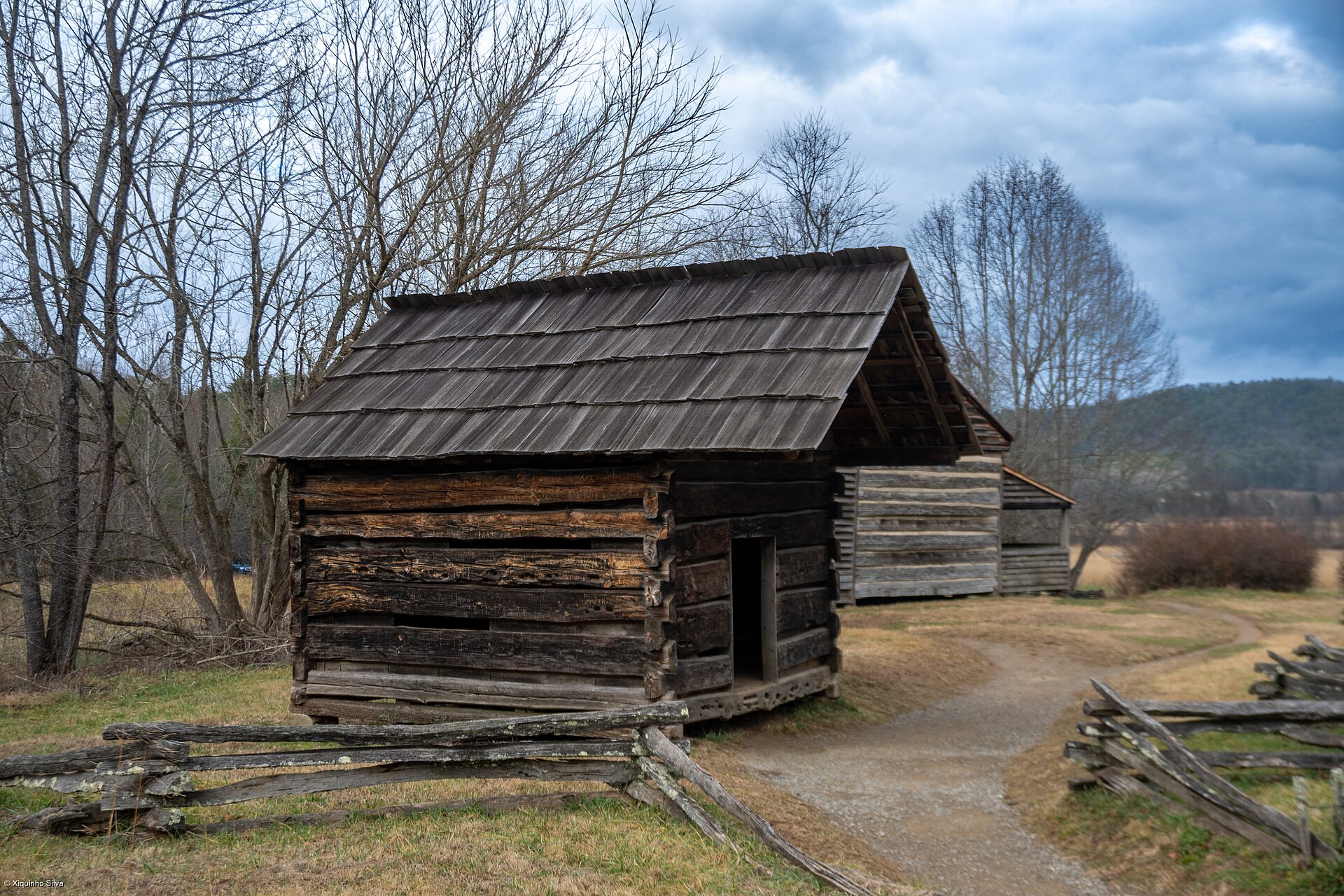
Photo: Great Smoky Mountains – 55479894586, by xiquinhosilva, CC BY 4.0 (Wikimedia Commons)
